
What Fine Art Photography Awards Really Signal
A fine art photograph has to work twice: first as an image that holds attention, then as an object that belongs in a room for years. Fine art photography awards can offer useful evidence of a photographer’s command of that balance, but an award alone does not determine whether a piece is right for your home, hospitality setting, or collection.
For collectors and design professionals, the better question is not simply whether a photograph has won. It is what the recognition reveals about the artist’s eye, process, and consistency - and whether those qualities support the feeling a space needs to create.
What Fine Art Photography Awards Evaluate
Respected photography competitions are usually judged by experienced artists, educators, curators, and working professionals. Their criteria vary, but strong programs tend to look beyond a dramatic subject or a momentary visual effect. They consider technical execution, composition, lighting, print quality, originality, emotional impact, and the degree to which every decision serves the finished image.
That last point matters. A compelling landscape is not automatically fine art. The scene may be extraordinary, but the photographer still has to interpret it. Where is the visual weight? What detail is held in the shadows? Does the color carry the mood, or distract from it? Is the scale of the scene grand, intimate, quiet, or deliberately unsettling?
Awards often recognize photographers who answer those questions with intention. An urban image with clean geometry and carefully controlled highlights may be honored for its structure and precision. A nature photograph may earn recognition because its atmosphere feels observed rather than manufactured. In both cases, the strongest work makes a viewer feel that nothing essential was left to chance.
Technical merit is only part of the picture
Technical skill is foundational. Sharpness where it matters, disciplined exposure, believable color, careful retouching, and a file or print prepared to professional standards all contribute to a competition-worthy image. Yet technical perfection by itself can feel sterile.
The images that stay with viewers have a point of view. They may use negative space to create calm, contrast to create tension, or a restrained palette to make a room feel more composed. This is why awards that evaluate both impact and execution can be more meaningful than recognition based solely on popularity.
How to Read Fine Art Photography Awards as a Buyer
An award should be treated as one piece of context, not a substitute for your own response to the work. It can reduce uncertainty when you are investing in original or limited-edition photography, especially if you are comparing artists whose work you have not lived with before. Still, the photograph must earn its place on your wall.
Start by looking at the body of work around the awarded image. A single standout photograph is encouraging. A cohesive portfolio is more revealing. Does the artist return to certain visual ideas with depth? Are the color decisions, compositions, and finishing style consistent enough to create a recognizable signature? For a collector, that consistency can strengthen long-term confidence. For an interior designer, it makes it easier to specify multiple works across a home or client project without creating visual noise.
Also consider the type of award. A juried recognition from an established professional organization generally carries a different weight than a public vote or a social-media contest. Neither is inherently meaningless, but they measure different things. Public recognition may show broad appeal. Juried awards are more likely to reflect how experienced evaluators respond to craft, visual communication, and artistic discipline.
The most useful credentials are specific. Look for clarity about the organization, the level of recognition, and the work that was honored. Vague claims of being award-winning deserve a closer look. Clear professional distinctions, especially those supported by a sustained portfolio, give buyers a more grounded basis for trust.
Recognition does not replace context
A prize-winning black-and-white city scene may be exceptional, but it can still be the wrong choice for a warm, color-rich dining room. Likewise, a quiet marsh image may not have the immediate drama of an award favorite, yet it may be exactly what a contemporary bedroom needs to feel settled.
This is where collecting becomes personal. Awards can tell you that a photographer has met a high external standard. Your space tells you whether the image should be large and commanding, subtle and atmospheric, or part of a sequence that carries the eye from one room to the next.
Why Awards Matter in Interior Design Projects
For high-end residential and commercial interiors, art is rarely an afterthought. It sets a visual temperature. A blue-hour cityscape can bring order and polish to a modern entry. A windswept landscape can soften hard architectural lines. A photograph with amber grasses, weathered stone, or deep water can connect a room’s palette without matching it too literally.
Professional recognition can be particularly useful when art is being selected for a larger project. Designers and architects need confidence that an artist can deliver work with the visual standard, print quality, and professional communication a finished space requires. An award history may suggest that level of care, particularly when it is paired with a clear presentation of available imagery and artwork shown in real interior environments.
There is a practical benefit as well. Fine art photography is often created with a strong understanding of scale. A work that reads beautifully on a screen may lose its power when printed too small, while another image may become overwhelming at oversized dimensions. An accomplished photographer can help determine whether a piece needs room to breathe, whether a vertical composition will resolve an awkward wall, or whether a diptych can create a more architectural rhythm.
Awards do not guarantee that every image will suit every application. They do, however, point toward an artist who has been evaluated for the kind of judgment that matters when a photograph becomes a permanent design element.
The Difference Between Trend Appeal and Lasting Value
Some award-winning images succeed because they capture a current visual trend: highly saturated skies, extreme contrast, elaborate digital compositing, or familiar landmarks seen under rare conditions. There is nothing wrong with a dramatic statement piece. In the right setting, it can be memorable and energizing.
But a collector should decide whether the work will continue to feel relevant after the initial surprise fades. Lasting images usually contain more than spectacle. They reward repeat viewing. Their strength may be in a subtle shift of light on a building facade, the quiet order of a winter field, or the relationship between empty pavement and a distant horizon.
This distinction is especially valuable for interiors designed around longevity. A photograph does not need to be muted to endure, nor does it need to be conventional. It needs visual depth. The best work can hold a room without exhausting it.
Questions Worth Asking Before You Buy
When an award catches your attention, use it as a reason to look more closely. Ask whether the photograph is offered as an open edition, a limited edition, or a one-of-one work. Ask about print materials, finishing options, recommended scale, and how the image will perform under the lighting conditions in the intended space.
It is also reasonable to ask how the artist approaches color. The color on a calibrated studio display, the final print, and the lighting in your home will not be identical. A professional photographer should be able to speak plainly about those differences and help you make a decision that respects both the image and the environment.
For digital collectors, the same principle applies. Recognition can indicate a disciplined creative practice, but provenance, edition structure, presentation, and the artwork’s role in your larger collection deserve equal attention. Digital work should feel considered, not merely converted from a physical portfolio.
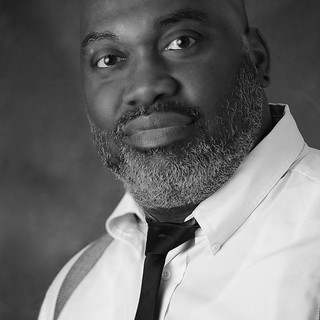
Howard Hinton Jr. brings this professional standard to nature and urban landscape imagery, combining refined technical control with an eye for photographs that can live confidently in a designed environment.
The right award-winning photograph will not announce its credentials every time you pass it. Instead, it will continue to reveal something: a line, a color relationship, a sense of place, or a carefully held moment that makes the room feel more like yours.


Comments